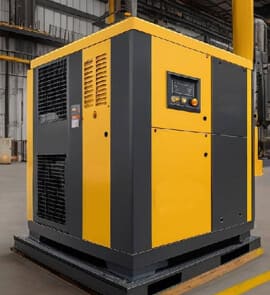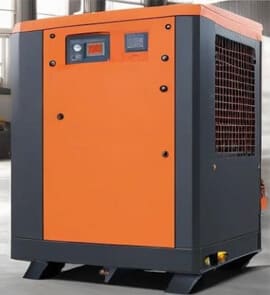





Classification of Air Compressor Accessories
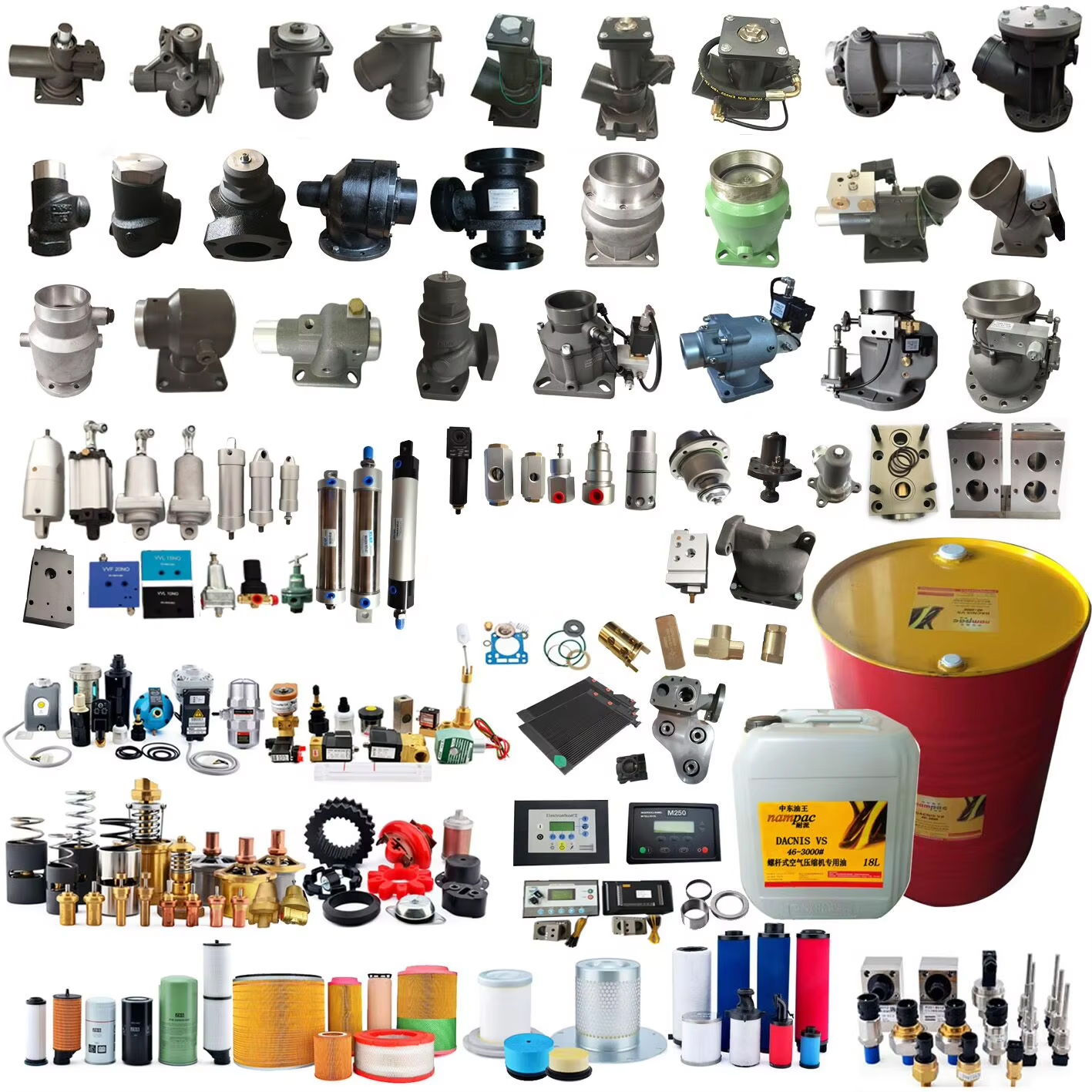
1. Sensor: temperature sensor, pressure sensor.
2. Controller: computer board, relay board, plc controller, controller, control panel, operation panel.
3. Valve: solenoid valve, rotary valve, pneumatic valve, relief valve, temperature control valve, thermal control valve, temperature control valve core, proportional valve, capacity regulating valve, pressure maintaining valve, intake valve, safety valve, regulating valve, expansion valve, expansion valve, check valve, shuttle valve, pipeline filter, automatic drain valve, water filter cup, pressure reducing valve, pressure regulator.
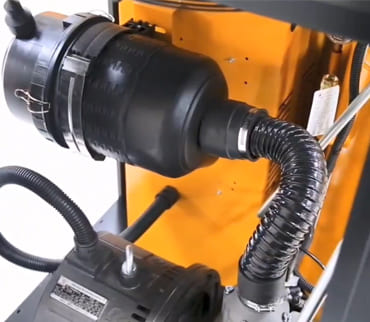
4. Filter and oil: air filter, oil filter, oil fine, lubricating oil, pipeline filter, automatic drain valve, water filter cup.
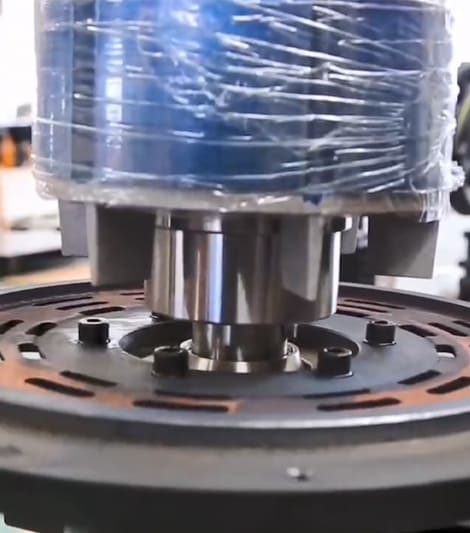
5. Host: host (head), bearing, shaft seal oil seal, shaft sleeve, gear, gear shaft, overhaul.
6. Repair kit: main engine, unloading valve repair kit, pressure maintaining valve, rotary valve, temperature control valve core, intake valve, coupling elastomer and other repair kits.
7. Cooling: fan, radiator, heat exchanger, oil cooler, rear cooler.
8. Switch: pressure switch, temperature switch, emergency stop switch, differential pressure switch.
9. Transmission: coupling, elastomer, plum blossom pad, elastic block, gear, gear shaft.
10. Hose: intake hose, high-pressure hose.
11. Starter disk: contactor, thermal protection, reverse phase protector, line bar, relay, mutual inductor, etc.
12. Buffer: shock pad, expansion joint, expansion valve, elastomer, plum blossom pad, elastic block.
13. Instrument: timer, temperature switch, temperature display, pressure gauge, pressure reducing gauge.
14. Motor: permanent magnet motor, variable frequency motor, motor, motor.
Safety precautions for air compressor maintenance
1. Operation, repair and maintenance of air compressor accessories must be performed by qualified personnel.
2. The compressor cannot be reversed. After the initial startup or electronic control system overhaul, the direction of motor rotation must be confirmed before the compressor is started.
3. When removing high-temperature components, the temperature must be cooled to the ambient temperature before proceeding.
4. It is recommended to use special oil for screw compressors. Lubricating oils of different brands are not allowed to be mixed.
5. Without the permission of the manufacturer, do not make any changes or add any devices to the compressor that affect safety and reliability.
6. The original spare parts of the compressor are specially designed and manufactured. It is recommended to use authentic spare parts to ensure the reliability and safety of the compressor.
7. The compressor suction port must not be blocked during operation.
8. Unless it has been indicated that it can be used for breathing, it is absolutely not allowed to use compressed air for breathing.
9. The compressor cannot be operated at a pressure exceeding the specified pressure and temperature.
10. Once the compressor is found to be working abnormally, the compressor should be stopped immediately and the abnormality should be eliminated in time.
11. Use the correct tools to maintain and repair the compressor.
12. After maintenance and before starting the machine, confirm that all safety devices have been reinstalled and the tools have been removed from the compressor.
Regular maintenance of air compressors is a must
1. Check the oil level, exhaust temperature and exhaust pressure every day, and check for abnormal sounds;
2. Open the separator drain valve to discharge condensate before starting the machine every week, check for leaks everywhere, check the safety valve, and check the belt wear (visual inspection);
3. Regularly check the intake control valve, minimum pressure valve, electrical control box connection terminal, safety valve, and cooling fan;
4. Regularly clean and sweep the cooler, and test the reliability of the safety valve;
5. Regularly replace the oil filter element, oil separator filter element, intake filter element, and lubricating oil.