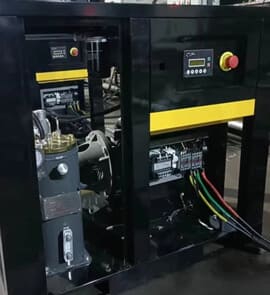





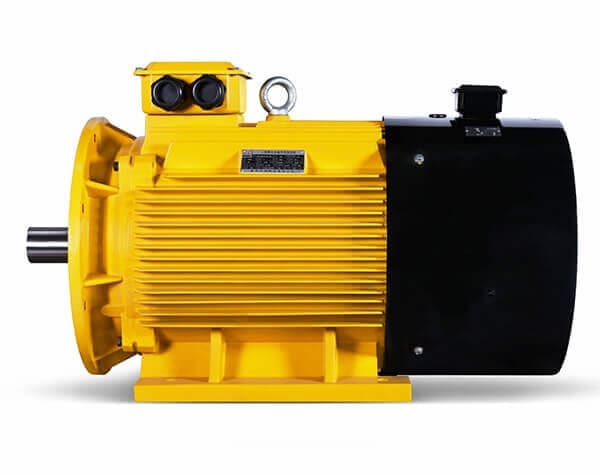
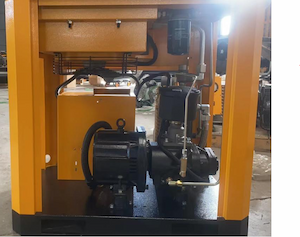
The maintenance steps of the air compressor are as follows:
1. Shut down the equipment;
2. Drain the oil;
3. Power off the equipment;
4. Close the outlet valve;
5. replace the oil core;
6. replace the oil filter;
7. replace the air filter;
8. Clean the whole air compressor;
9. replace the special lubricant.
3. Start-up inspection
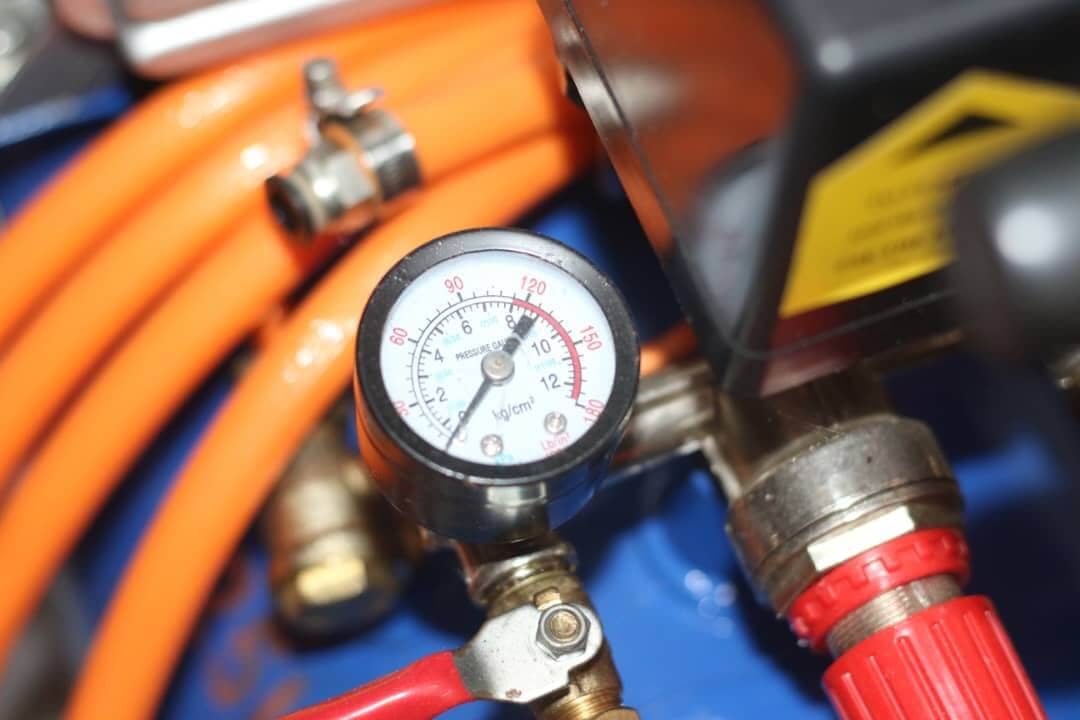
1. Check whether the internal pressure gauge index is normal;
2. Check whether the paint bucket is leaking;
3. Check whether there is oil leakage at each interface;
4. Check whether the data on the control panel is abnormal;
5. Check whether there is no abnormal sound from the main air compressor.
4. Check the post-processing of the air compressor
"Comprehensive maintenance" is not only the maintenance of the air compressor, but also the corresponding air compressor post-processing equipment to ensure the stable operation of the air compressor unit and continuous high-energy gas use.
Fault analysis and treatment suggestions for the safety valve tripping caused by long-term shutdown of air compressors
1. Case description
A company producing graphite-related products has used air compressors for only more than 1,200 hours in total. The unit has been shut down for about 3 months since the last startup. This restart caused the unit's safety valve to trip.
1.1 On-site inspection
There is serious rust on the surface of the filter material inside the built-in oil separator core, which is seriously blocked on the surface of the filter material, resulting in poor exhaust of the compressor and ultimately causing the safety valve to trip.
1.2 Fault analysis
The filter material of the built-in oil separator core is composed of glass fiber and plant fiber, which will not rust. From the disassembly of the built-in oil separator core, it is mainly the blockage of the outside of the filter material.
The cause of the blockage is that the air compressor runs occasionally and is shut down for a long time. The surface of the oil separator core absorbs lubricating oil and water vapor and contacts with air for a long time. After air drying, it adheres to the surface of the oil separator core, causing the oil separator core to be blocked.
1.3 Troubleshooting
The unit was maintained (three filters, lubricating oil, and oil and gas barrels were replaced), and the safety valve was replaced. The unit is operating normally.
2. Suggestions
2.1 If the compressor is only used occasionally, the maintenance time should be shortened;
2.2 If the customer wants to stop using the compressor for a long time, the compressor needs to be sealed and the filter element should be checked before starting the machine. The machine can only be started after the inspection.
Special note: For the situation where the compressor needs to be placed for a long time, it is recommended to run it for 1-2 hours per week.
The impact of low exhaust temperature on air compressors and solutions
The exhaust temperature of conventional 0.8MPa twin-screw compressors generally needs to be controlled at around 80℃. When the exhaust temperature is too low, condensed water will be generated during the gas compression process, causing the oil to emulsify; when the exhaust temperature is too high, the lubrication service life will be shortened, resulting in carbon deposition and coking.
If the area where the air compressor is used enters winter, it is necessary to prevent the exhaust temperature from being too low. Here are some precautions and solutions.
Causes of the fault
1. The on-site ambient temperature is low, and the compressor room leaks air, taking away the heat generated by the compressed gas from the compressor;
2. The temperature control valve core fails;
3. The water temperature of the water-cooled unit is low, and the water temperature is generally required to be between 20℃ and 30℃;
4. The cooling fan startup parameters are changed.
Solution
1. Ensure the indoor temperature of the compressor and check whether there is any air leakage in the compressor room;
2. Check whether the temperature control valve is working properly;
3. Insulate the external water cooling water pipeline;
4. Confirm whether the cooling fan parameters have changed. If so, adjust them to the factory design values.