




Specific items and details of daily maintenance of air compressor
Class A maintenance every 24HR/day (performed by customers)
1. Check the oil level;
2. Record the exhaust pressure;
3. Record the oil temperature;
4. Check whether there is a fault alarm;
5. Check whether the loading and unloading are normal;
6. Drain condensate or check the function of the automatic drainer.
Class B maintenance every 100HR/week (performed by customers)
1. Check whether the cooling fan is operating normally;
2. Check the main motor current;
3. Check whether there is abnormal noise when the unit head motor is running;
4. Check the operation of the aftercooler;
5. Clean the air filter;
6. Check whether the transmission belt is tight;
7. Clean the dust on the body and check for leakage;
8. Check the oil cooler and aftercooler, and clean the cooler if necessary.
C-type maintenance every 2000HR
1. replace the air filter element;
2. Clean the return oil filter and throttle valve;
3. replace the oil filter;
4. replace the engine oil;
5. replace the oil-gas separator core and seal ring;
6. Clean the oil cooler;
7. Check the operation of the protection device;
8. Check whether the control device is working well;
9. Disassemble and clean the rear cooler automatic drainage system;
D-type maintenance every 4000HR (additional to C-type maintenance)
1. Clean the seal ring and gasket of the minimum pressure valve;
2. Clean the seal ring of the vacuum release valve;
3. Clean the unloading Loading valve;
4. Clean the check valve;
5. Clean the constant temperature valve;
6. replace the pipe filter element;
E-type maintenance every 8000HR (additional to D-type maintenance)
1. replace the minimum pressure valve maintenance kit;
2. replace the unloading valve maintenance kit;
3. replace the check valve maintenance kit
4. replace the constant temperature valve maintenance kit;
5. replace the intake valve maintenance kit;
6. Clean the oil cooler and aftercooler;
7. Check each pipeline and contact plug and connector;
8. Check the electrical control cabinet and internal electrical components: insulation and tightness;
9. Clean the electrical control cabinet and tighten the screws of each contactor.
Inspection items:
1. Clean the air filter to ensure that the air compressor is in the best suction state.
2. Clean the radiator. When the exhaust temperature of the air compressor is higher than 95℃, the radiator needs to be disassembled and the dirt on the radiator needs to be thoroughly cleaned with dust to prevent high exhaust temperature.
3. Check whether the lubricating oil is sufficient and add or replace it as appropriate.
4. Check whether the operating temperature and air supply temperature are between 70℃-95℃, and ensure that the exhaust temperature is above the dew point to prevent condensed water from precipitating in the oil circulation system, damaging the oil quality and affecting the service life of the main engine rotor. If the temperature is not in this range, try to make it reach normal temperature.
5. Check whether the transmission components are normal and whether the tightness of the transmission belt is normal. If not, adjust and correct it to avoid belt wear.
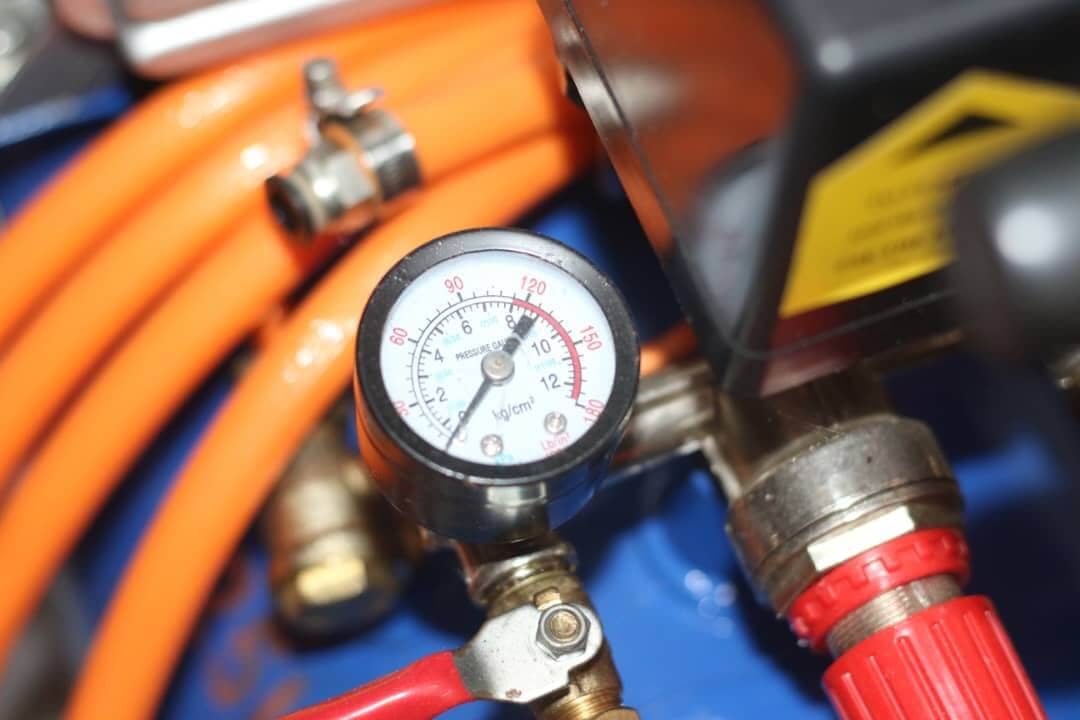
6. Regularly check the safety valve and pressure gauge, check whether the function of the capacity regulating valve and the pressure maintaining valve is normal, eliminate hidden faults and ensure the safety of the machine.
7. Check whether the unloading solenoid valve functions normally, whether the suction controller is sensitive, and whether the intake valve is closed tightly, to ensure the lowest load is started, effectively protect the motor, and maintain the lowest no-load current, save energy, and prevent reverse oil spitting, so that the various parts of the air compressor are kept clean for a long time.
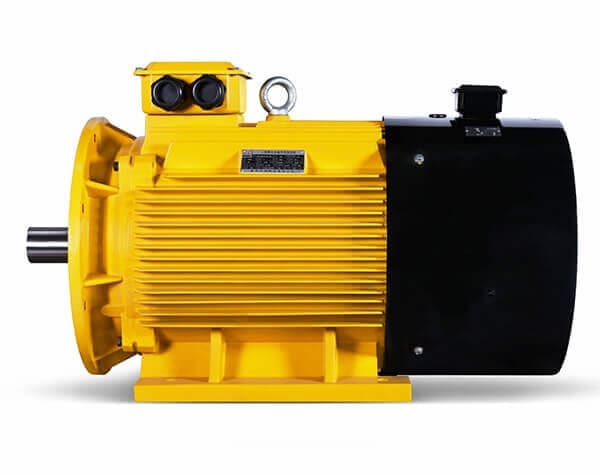
8. Clean the cooling motor fan to keep the air compressor in good heat dissipation state.
9. Check whether the temperature control valve functions normally. The vibration during the operation of the air compressor may cause some parts to loosen and malfunction, and need to be re-tightened.
10. Clean the dryer body and radiator, check whether the high and low pressures of the refrigerant are normal, and whether the machine is operating normally.
11. The replacement cycle of consumable parts is absolutely related to the use environment of the air compressor. An unfavorable environment may shorten the service life of consumables or cause carbon accumulation in components to cause failures.